Meet the world’s youngest (and coolest) DJ

From music to fashion, here’s everything you need to know about DJ Arch Jnr and his incredible rise to fame.

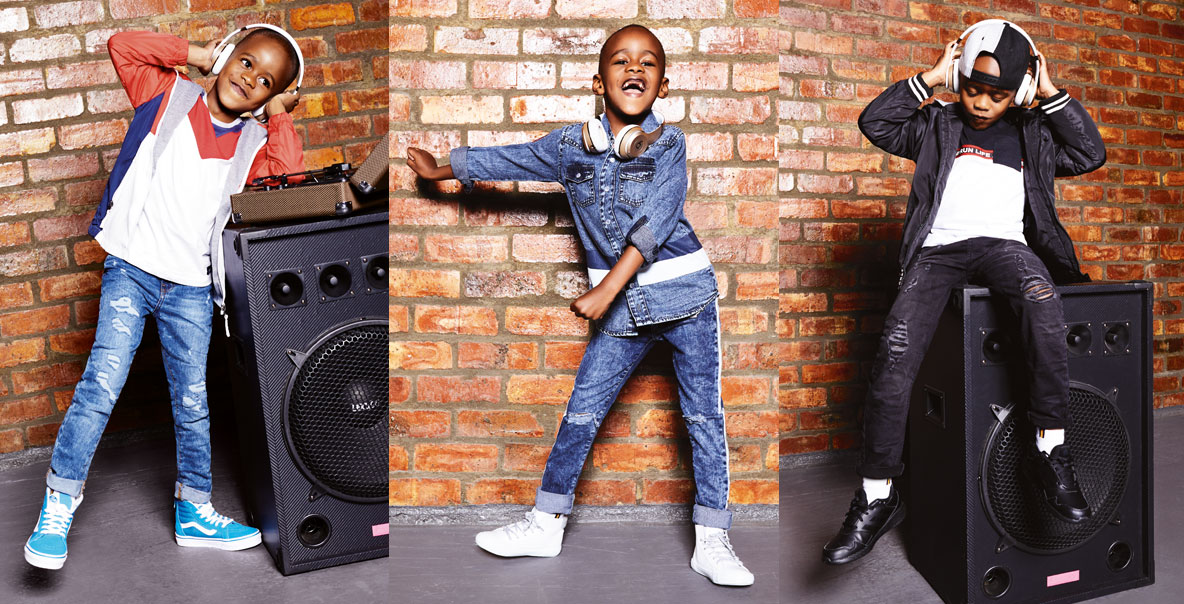
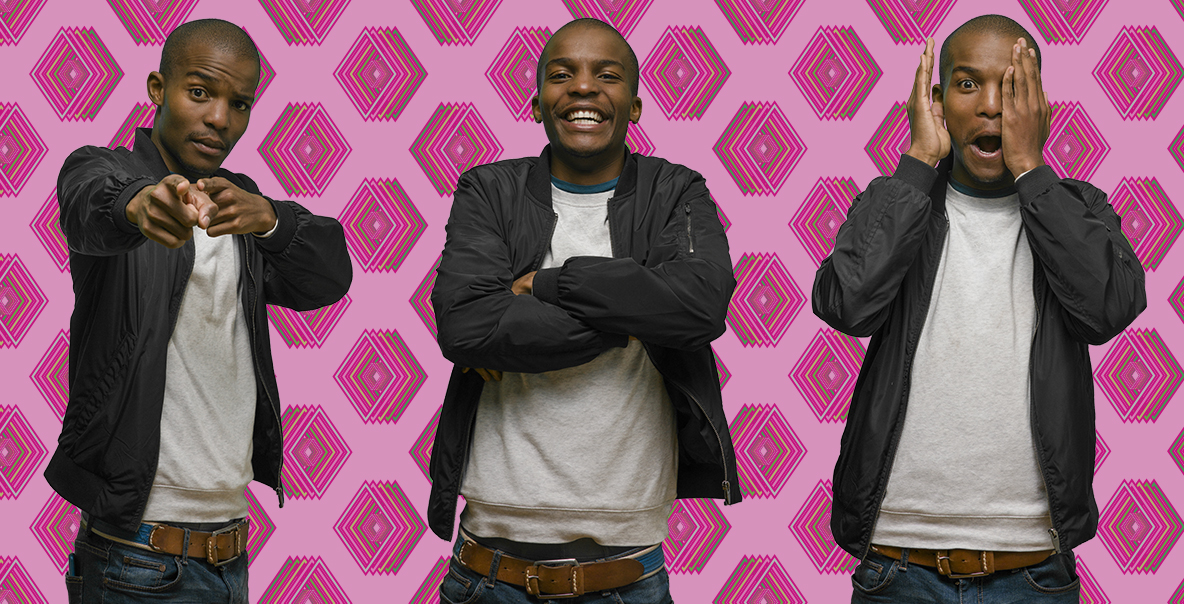
Just shy of seven years old, Oratile Hlongwane seems like any regular boy, but there is a lot more to him than meets the eye. Just mention music and he sits up straight, his face lighting up with the biggest smile imaginable.
Better known by his stage name, DJ Arch Jnr, Oratile won South Africa’s Got Talent in 2015 at only five years old, becoming one of the country’s brightest young stars. And with the Guinness World Record for the world’s youngest DJ already under his belt, the future is bright for this young music-maker, who stole the hearts of millions of people when he performed on stage at America’s Got Talent earlier in 2019. And while the young star is a musician through and through, it turns out he also has a love of fashion and takes apparel seriously. A few short moments before stepping in front of the camera for his shoot, with an infectious smile, he points out his favourite items, including Chuck Taylor All Stars and a classic denim jacket. From his love of music to his keen fashion sense, here’s what makes him tick.

What does it feel like being South Africa’s beloved DJ?

(Laughs) South Africa’s coolest DJ?


Yes, that’s you!

It feels really cool! And it makes me happy.

What’s the best part about being a DJ? 

I like seeing all the people that like my music.

What was it like performing on stage?

It’s very nice. I like it so much.

You even went overseas to America’s Got Talent!


Yes, and I want to go again!

How much time do you spend on music every day?

Lots of time! But, I only make music after school. I’m in Grade 2.


Do you like school?

I love school. All my friends love my music.

Who taught you music? 

My dad taught me music, he loves music too. I also have music lessons. I have two music teachers. My second music teacher teaches me guitar.

You also play guitar? 


Yes, I love it!

Is music one of your subjects at school? 

Yes, it’s my favourite.

When you grow up, do you still want to make music?

I want to be a DJ that plays the piano and guitar. And also the PlayStation.

Do you listen to lots of music?

Yes, I listen on my earphones. I listen to the radio, or to music on the computer.

Who are your favourite DJs to listen to?

I love Black Coffee and DJ Fresh!

Why do you love them so much? 

They’re cool and I like their style!

What are your favourite things to help you look stylish?

Sneakers and jackets.

What do you like doing for fun? 


I love PlayStation. I like soccer games; I like playing soccer at school too. I also like superheroes.

And if you could be any superhero, who would you be? 

Batman. I like his costume.


Fashion direction & production: Brittany Penebre, Photography: Katinka Bester/Hero Creative, Styling: Rushana Burton, Hair & make-up: Shahnaz Cola-Wrensch/SNCM, Talent: Siphokazi Veti

Nikiwe Dlova: ‘Creativity is blossoming like never before in Africa’

Creative hair stylist Nikiwe Dlova shares her inspiring journey to self expression and hair success.

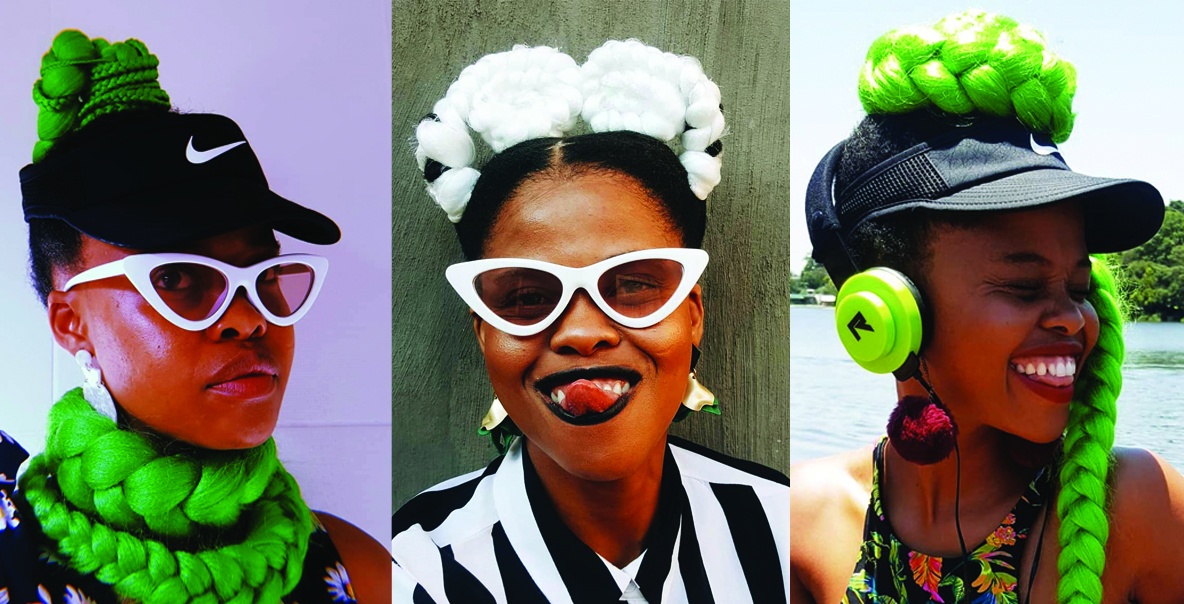
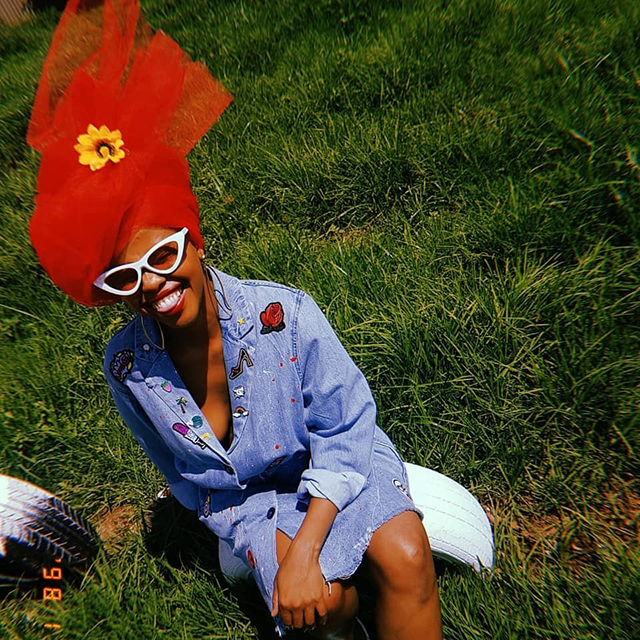
Soweto-based hair artist Nikiwe Ndlova has changed the way we think about hair with her visionary creations. We asked her about her inspiration and what the next generation of young African creatives is doing differently.

Graduating from the University of Johannesburg in 2013 with a diploma in clothing management, Nikiwe went on to work in retail as an intern and was promoted to assistant in the buying department. In 2016 she went on her own and started her a hair street culture blog called ownURcrown, which elevated her career to what it is today.

What shaped your aesthetic? 

I don’t really remember when the creativity ‘hit’ or kicked in, and I can’t pinpoint where it comes from exactly. But I remember that as a kid I was always inspired by everything happening around me – the newspapers and magazines, the activity out on the street. Eventually, when I was a little older at school, I started letting some of that creativity out, and I would sing and act as much as I could. But for the most part, my creative side was a little shy.

Was there a moment when something just ‘clicked’ for you? 

For a long time, you wouldn’t even have noticed me. I didn’t really express myself on a visual level. It took a while for me develop who I am today and how I portray myself to the world. It only happened after I left university, and more significantly, when I cut my Afro and I suddenly had short hair; it changed everything for me. That was actually such a defining moment and one that really started my relationship with hair. I suddenly felt like my true self.

What was it about cutting your hair that made you feel this way? 

I think that it takes a lot of confidence to be completely who you are. It’s easy to underestimate what it takes to be your true self. And unfortunately it’s something that most of us take a long time to learn. One thing I can say though is that people are finding their individuality and sense of self a lot quicker these days … Maybe because there is a greater sense of belonging?

How do you think creativity in Africa has evolved?  

Creativity is blossoming like never before in Africa. And platforms like social media are helping it along, especially for the younger generations – Millennials and Gen Z. Suddenly people are seeing proper representation, and it helps shed some of the fear or uncertainty of being who you truly are or how you want to present yourself. We’re learning that we don’t have to look across the ocean at places like USA to tell us what to wear and how to look. Suddenly we can stand back and say wait, we don’t need anyone else defining us.

How do you think that’s shaping the next generation of creatives?  

The next generation of creatives is going to change the narrative of society. They’re discovering things most of us never had the chance to learn. But one of the most important things they’re learning is deep-rooted self-love. It’s such a valuable and powerful lesson to learn.

What have you learned through your own creativity?  

I learned that generally, we don’t celebrate ourselves nearly enough. We have this culture of waiting for others to celebrate or recognise us. We shouldn’t wait for those moments. We should just celebrate ourselves because we are worth celebrating.

What shapes your personal style?  

It’s difficult to describe it because there are so many things that inspire and shape me. Some days I’m simple with a twist; other days I’m a burst of colour. There are days I’m a mix of African eclecticism, and others when I’m quite ‘out there’.

You’re known first and foremost for your hair. What does hair mean to you?  

Hair is a powerful thing. Especially in our country, where many people still can’t fully embrace or express themselves through their hair. Hair is fun and it can be interesting. But it’s also political and powerful. It can be a tool for social commentary and for making a statement. What I want most of all is for kids to be inspired by what they see.

Do you think your relationship with hair has a particular future?  

What’s really important for me is that the narrative of hair changes. So I would love to start an academy or production company that will help change the way people look at hair. I want to train people to take hair styling to the next level and push creative boundaries.

FUN FACTS

Favourite accessory? 
Can I say my hair? Because it’s definitely my hair!

All-time favourite style icon?
Without a doubt, Erykah Badu.

Bucket list destination? 
I can’t pick only one: Ghana, New York City and Amsterdam.

A wild party or a quiet night in? 
I’ve had my wild days, so I’d have to say a quiet night in.

Check out Nikiwe’s Instagram & Nikiwe’s Blog

Words: Edwain Steenkamp. Photography: Instagram

The Interview: Tsitsi Chiumya

Comedian Tsitsi Chiumya tells us about his rise to fame, and how his sense of style has evolved along the way.

Growing up in Lebowakgomo, a small township in Limpopo, and only learning English in his teens, Edgars’ creator of culture and local influencer, Tsitsi Chiumya, might never have imagined a career as a comedian. But in just a few short years he’s set stages alight all over the country with his shows, raking up awards along the way. He tells Edwain Steenkamp how he got there.

Growing up, were you the funny kid? 

No, but I was definitely the naughty kid! My mom had me when she was very young, so I was raised by my grandparents who were strict but very loving. I think, with me, they had their hands full.

So comedy wasn’t something you dreamed about? 

As a kid I didn’t even know it could be a career. Living in such a small place, I had other dreams. At one stage I wanted to be an athlete more than anything. But I always knew that I wanted to live a happy life. That was something my small village taught me too: what’s most valuable in life.

What was the next major chapter of your life?

I went to study video design at Wits University. So my life nearly took a very different turn. There weren’t many kids like me on campus at that time. I felt different, but it didn’t stand in my way. In fact, I realised that somehow it allowed me to reach people.

Was it during this time that you discovered your gift of entertaining? 

Yes, that was when I started telling stories from my childhood and from where I grew up. I knew that my classmates loved the stories I told, and so I started preparing and rehearsing them in the evenings. I might have added a few embellishments here and there, but they loved the stories. It was like a whole new world opened up.

Was that when you decided on your future career path? 

Actually, it happened very slowly. I was always drawn to comedy; I remember my friends and I watching comedy shows till three in the morning. So right after university I moved to Cape Town and spent all the money I had – and also money I didn’t have – to watch every comedy show possible. From there, I started participating in any show that would have me. I eventually landed a segment on the Expresso Morning Show and added as much of my comedy into it as I could. I was travelling up and down, trying to make this all happen … getting as little as four hours sleep a night.

How did you manage all of it? 

I honestly don’t know! I was so exhausted all the time, but it felt right. I knew it would all be worth it.

What do you think is the most important aspect of your comedy? 

I think a lot of people expect the same formula from South African comedians, that is, comedy based on the hardships of the country’s past, and the struggles we face today. You know, politically heavy content.

Do you try to stay away from that? 

I mean it enters my comedy of course. But I want to tell different stories too. Stories that everyone relates to. And for me, that’s powerful comedy – the kind where the humour is universal. And I draw from some of my personal experiences.

What kind of experiences? 

I was a kid from Limpopo who could barely speak English, and then suddenly I was in a big city – there’s something about that situation everyone can relate to. Being the awkward kid, unsure of themselves and not really fitting in anywhere. Looking for acceptance, inspiration and guidance.

Speaking of inspiration, who has influenced you the most? 

More than individual people, there are moments in different people’s careers that have inspired me so much. And through these moments in many of the most legendary comedians’ careers, I have learned different techniques and styles. Drawing from that I have been able to develop my own sense of comedy.

You’re known as a smart dresser. Has this also developed over the years? 

Since I was a young boy I was aware of style. Both my grandparents were so stylish. My grandmother always dressed impeccably, and my grandfather always had the best suits. I definitely learned what style is from my family. But I was always a little shy and unsure about what looked good on me.

When did you learn to let go of that uncertainty? 

It was actually when I worked with one of the stylists at Edgars. He handed me the nicest botanical printed shirt and told me that when I go shopping, I should always look out for at least one item of clothing that’s outside my comfort zone and incorporate it into my closet. It was the best style advice I’ve ever received. To this day, that shirt is my favourite item of clothing and I take it everywhere I go.

FUN FACTS

Favourite fashion items? 
A nice shirt, and definitely a good pair of sneakers.

Favourite food?
Pap and wors. It’s a classic.

Guilty pleasure? 
Mangoes. I can eat them any time.

How do you unwind? 
I play video games; I’m still very passionate about gaming.

Some of your favourite comedians?
Trevor Noah, Robby Collins and Kevin Hart.

Check out Tsitsi’s Instagram
Photography: tsitsi.co.za, Instagram, Shutterstock

The Interview: Ryan Stramrood

Extreme open-water swimmer and ice swimmer Ryan Stramrood proves that with focus, determination and enthusiasm, almost nothing is impossible.

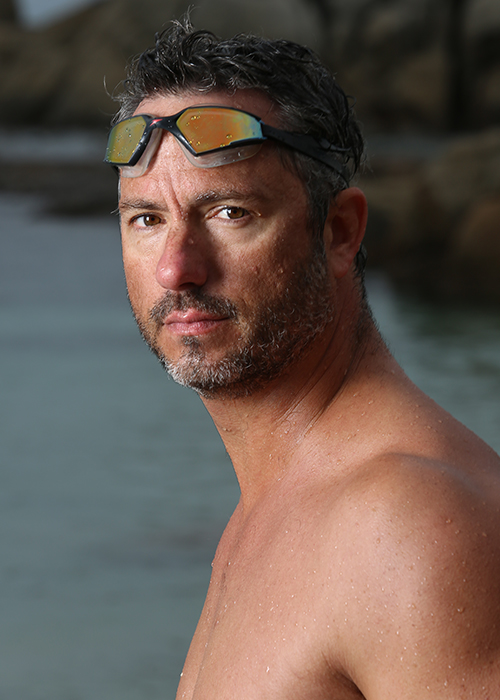
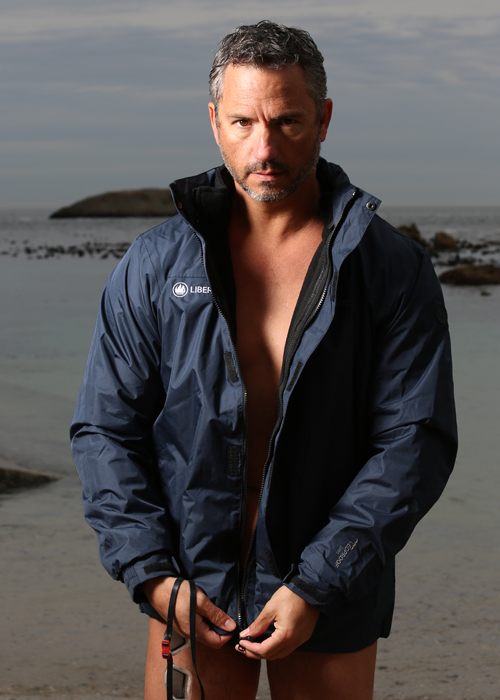
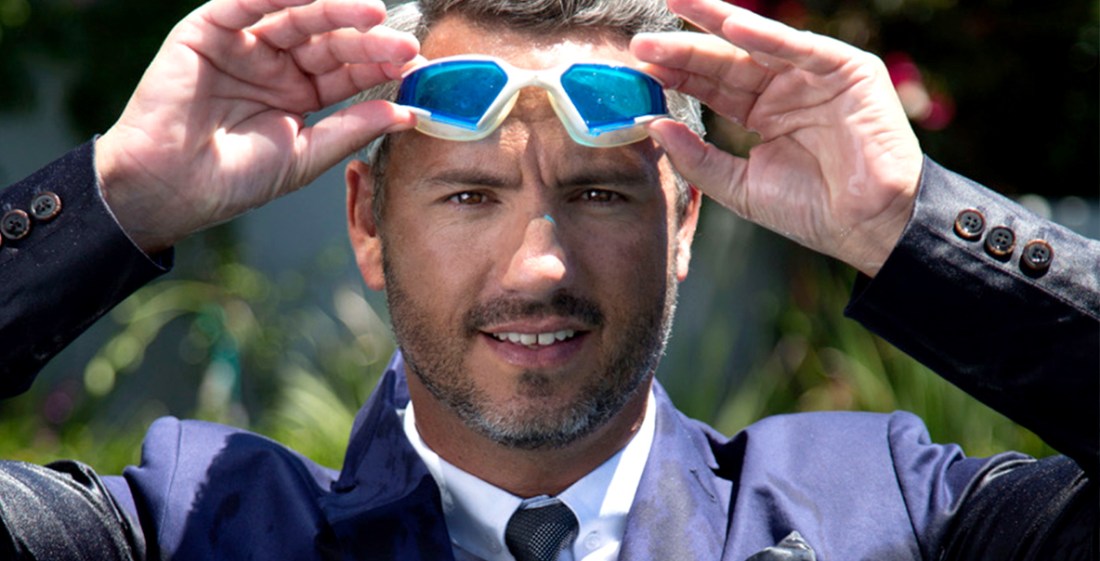
Ryan Stramrood says he’s an ‘average Joe family man’ but, as an Ultra Extreme Open Water swimmer and ice-swimming enthusiast, he’s been around the world in search of bigger (and colder) challenges.

WHAT WERE YOUR INTERESTS WHEN YOU WERE GROWING UP?

Oddly, my interests as a child didn’t include swimming! I was a normal kid with no ambition in the sporting arena. I was (and still am) musical and taught myself guitar. I liked water-skiing on weekends, and keeping snakes.

WHAT IS YOUR EARLIEST MEMORY OF BEING IN THE WATER?

I have always loved the water; I am naturally drawn to it. My earliest memory was when I was about four or five years old, and a fairly competent swimmer. I was at my grandmother’s house and swimming in her pool while the adults all braai’d in the garden. I was minding my own business in the pool and remember wanting to see how long I could hold my breath underwater. I took a deep breath and floated face down for probably only 10 seconds before my gran spotted me and thought I had drowned. Before I knew it, gran, mom and various uncles had all dived into the pool – fully clad – and yanked me out with great vigour. After they realisied I had just been playing, I got a proper scolding. Most unjust!

WHEN DID YOU START TAKING SWIMMING SERIOUSLY?

Besides being on junior-school squads, I really only started swimming in 2000 at the age of 27. At that stage, I was spending far too much time on the couch and wanted to improve my fitness and lifestyle. So I joined a swim squad with coach Gary Freeling, who I am proud to say is still my coach after 16 years and is still doing all he can to improve my less-than-perfect stroke!

WHAT WAS THE FIRST INTERNATIONAL DESTINATION YOU TRAVELLED TO FOR A SWIMMING CHALLENGE?

The first international destination I travelled to with my teammates was a little town called Ketchikan in Alaska. We wanted to compete in a cold swim around a local island called Pennock Island. It was a 14km swim in 12ºC water. What a beautiful place and such an awesome experience.

WHICH DESTINATION HAS BEEN YOUR FAVOURITE SO FAR?

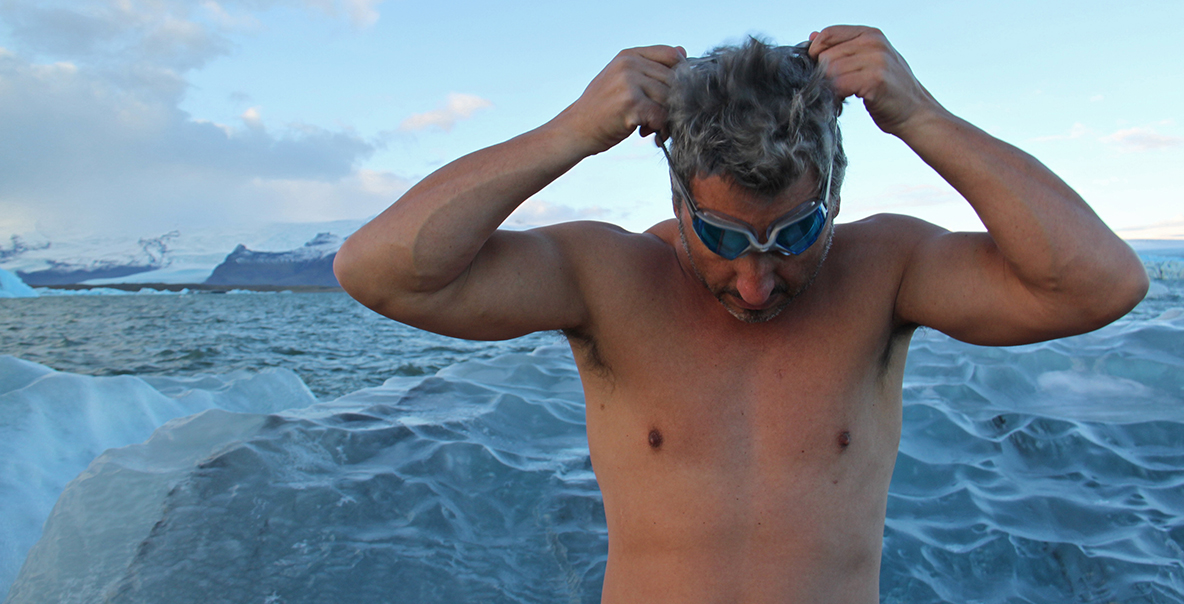
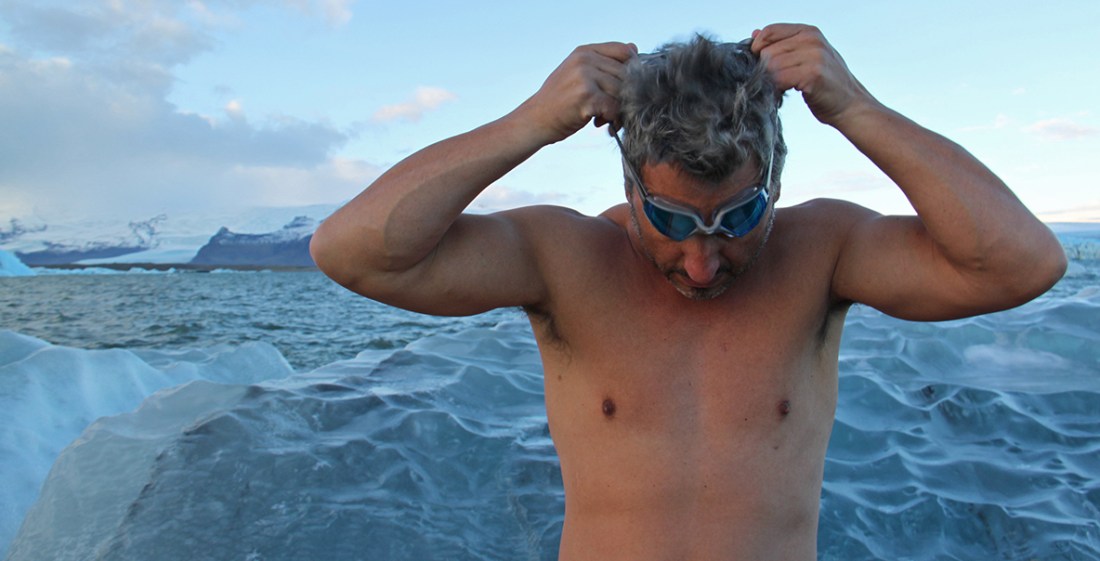
Iceland has been my favourite. It is just so different to anywhere else I have been. The landscape is a mixture of volcanoes and glaciers. Despite being petrified most of the time I was there (due to the swim I was to undertake), I managed to enjoy the experience.

WHAT WAS THE ICELAND EXPERIENCE ABOUT?

I was based in a tiny town called Höfn. From there I travelled to a beautiful but frightening glacier lake called Jökulsárlón, in the south of Iceland. I undertook a small challenge there, mainly for the production of a TV series episode.

WHAT HAS BEEN THE STRANGEST OR FUNNIEST THING THAT’S HAPPENED TO YOU IN ANOTHER COUNTRY?

In Spain, I realised just how differently the Spaniards view time and structure! I was in a beautiful little town called Tarifa, waiting for the right weather to make an attempt to swim ‘from Europe to Africa’ across the Strait of Gibraltar – a significant distance. I was told by the swim organiser and support crew to meet at 8am, when we would assess the weather, and if conditions were good, we’d start the swim at noon. I arrived at 8am, safe in the knowledge that I had four hours for final preparations should the swim be on. I waited an hour for the Spanish team to arrive. This tardiness was expected. But when they did arrive, they simply said, ‘We swim now’, and jumped into the support vessels, looking at me to climb into the water. I was unprepared, expecting another few hours’ wait, and was forced to run across the road and purchase a six-pack of Coca-Cola from the café. This formed my only ‘feeds’ for the full swim, much to the astonishment of many. Needless to say, Coke is not recognised as the best nutritional supplement for endurance events!

WHAT HAS BEEN THE MOST CHALLENGING THING THAT’S HAPPENED TO YOU WHILE TRAVELLING?

I have travelled extensively across beautiful Russia and it is mostly seamless – if you have all your papers in order and some savvy. But on one occasion, we arrived at the Moscow Domodedovo Airport to utter chaos. After an 18-hour flight and two hours of real scrumming at the customs area, with no queue system and some scary people, I was separated from the rest of the team in the chaos. When I reached the counter, it turned out that my Russian visa said that I was female! However, this was not communicated to me and I was whisked off to a security holding area with no way to let the others know what was going on (which I didn’t know either at that stage). Some interesting hours followed, but nothing nearly as daunting as the swim challenge at hand.

WATCH RYAN IN ACTION

WHERE HAVE YOU TRAVELLED TO IN SIBERIA?

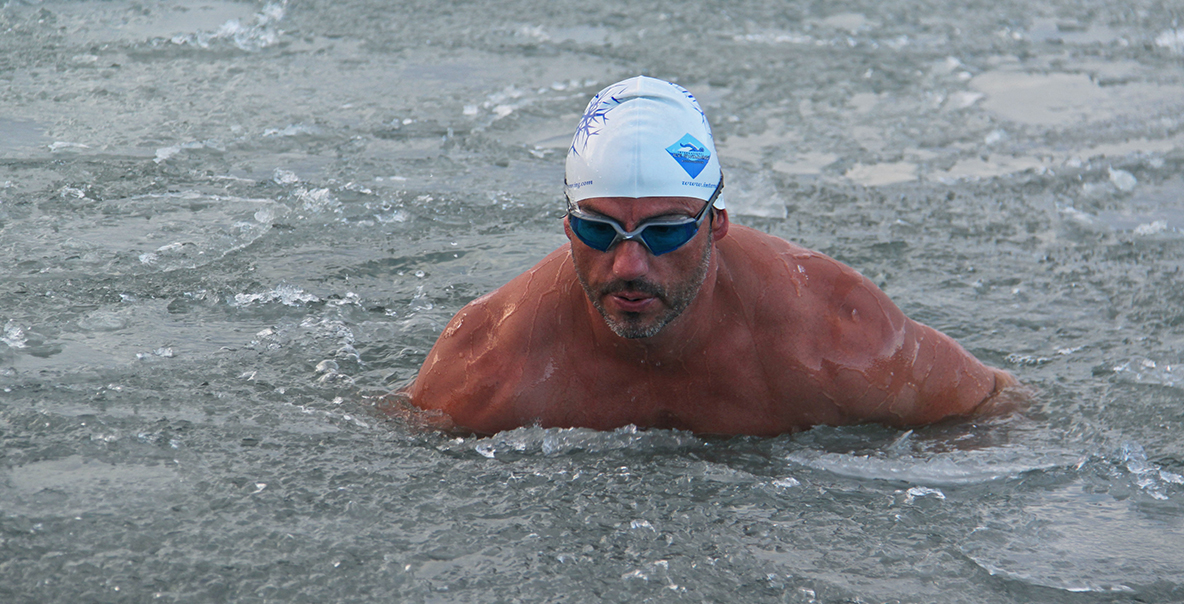
We travelled to the remote but wealthy town of Tyumen. The challenge was to undertake a one-kilometre ice-swimming event in a ‘pool’ cut from a frozen lake, in air temperature of –33ºC and water at 0.3ºC.

WHAT HAS BEEN YOUR MOST DIFFICULT CHALLENGE SO FAR?

The most challenging to date was a swim I undertook in Antarctica. It was a difficult, ground-breaking and dangerous challenge, completed in –1ºC water temperature, which is ultra-extreme. But it was the build-up to the actual swim challenge and the logistics that were most difficult. Relying on the ship’s crew to support us and keep us alive presented significant challenges, as did the extreme weather conditions.

WHAT OTHER HIGHLIGHTS COME TO MIND?

In 2012, our small team (Ram Barkai, Andrew Chin, Kieron Palframan, Toks Viviers and I) decided we wanted to become the first to swim around Cape Horn, the southernmost tip of South America, known as ‘The Sailor’s Graveyard’. Most sailing enthusiasts consider sailing around Cape Horn to be their ‘Everest’, so we thought it would be cool to try to get there – an insane journey – and complete a difficult swim in extreme temperatures and conditions. Added to this, we also wanted to attempt to swim across the icy wild-water Strait of Magellan, followed by an attempt to swim across the even colder Beagle Channel from Chile to Argentina and then back to Chile.
Our travels took us to a little town in Chile called Punta Arenas. We were based here for a week while we awaited the right conditions for the Strait of Magellan attempt. Thereafter, we travelled to what is sometimes referred to as the southernmost town in the world: Puerto Williams. It’s on the Chilean side, almost directly across from Ushuaia, the better-known town in Argentina that also considers itself the southernmost town. (We’ll let them fight it out.) We were based in Puerto Williams, which has nothing – really nothing – besides one coffee shop, which also sold beer and smelt of petrol fumes. We were there for just short of a week and were not too disappointed to leave once we had conquered the Beagle Channel mission and survived. From Puerto Williams, we managed to convince an old seadog who had a half-decent boat to take us on the nerve-wracking 20-hour one-way trip to The Sailor’s Graveyard. We got to visit the remote Cape Horn Island after our swim attempt, which is one of the highlights of my travels.

HAVE YOU ATTEMPTED ANY OTHER WORLD FIRSTS?

I travelled to a small town called Donaghadee at the extreme north of Ireland in County Down. The challenge was to attempt a world first double crossing of the notoriously difficult North Channel in relay format. The six-person relay was made up of a world team from South Africa, Ireland, Czech Republic, Finland, Switzerland and Estonia. It took 30 tough hours, but we succeeded and now hold the record.

WHAT DO YOU LOVE MOST ABOUT TRAVELLING FOR THIS SPORT?

It takes me off the tourist track, even if I am in a tourist-frequented city or town. I am often the guest of rural and remote locals and, while on standby for the swim challenge at hand, get to live with them and experience the real lives and cultures of the place I am at. It can be difficult, but I love the authenticity of it and the never-ending willingness and enthusiasm of my hosts to help wherever I am in the world and no matter how little verbal communication is possible.

WHAT DO YOU MISS MOST WHEN YOU’RE AWAY FROM HOME?

My son, Jesse! Without a doubt, being away from that little man adds a whole new level of tough.

WHAT IS YOUR FAVOURITE HOLIDAY DESTINATION WITH YOUR FAMILY?

I am blessed with a small family farm right on the banks of the beautiful Breede River, which is right on my doorstep in terms of travel time. It’s where my family has come together for 25 years and where my swimming passion began.

WHICH DESTINATIONS WOULD YOU LIKE TO VISIT IN THE FUTURE?

There are so many! I want to swim the Cook Strait between the north and south islands of New Zealand, so this is a destination I look forward to visiting. Norway’s glaciated lakes and fjords are high on my list too. Then I would like to visit both the North and South poles. And maybe one day I’ll just go somewhere sunny, comfortable and warm!

Connect with Ryan at www.ryanstramrood.com.
By Eugene Yiga

5 inspiring things we learn about Michelle Obama in Becoming

In her strikingly candid and honest memoir, Michelle Obama invites readers into her world, chronicling the experiences that have shaped her.

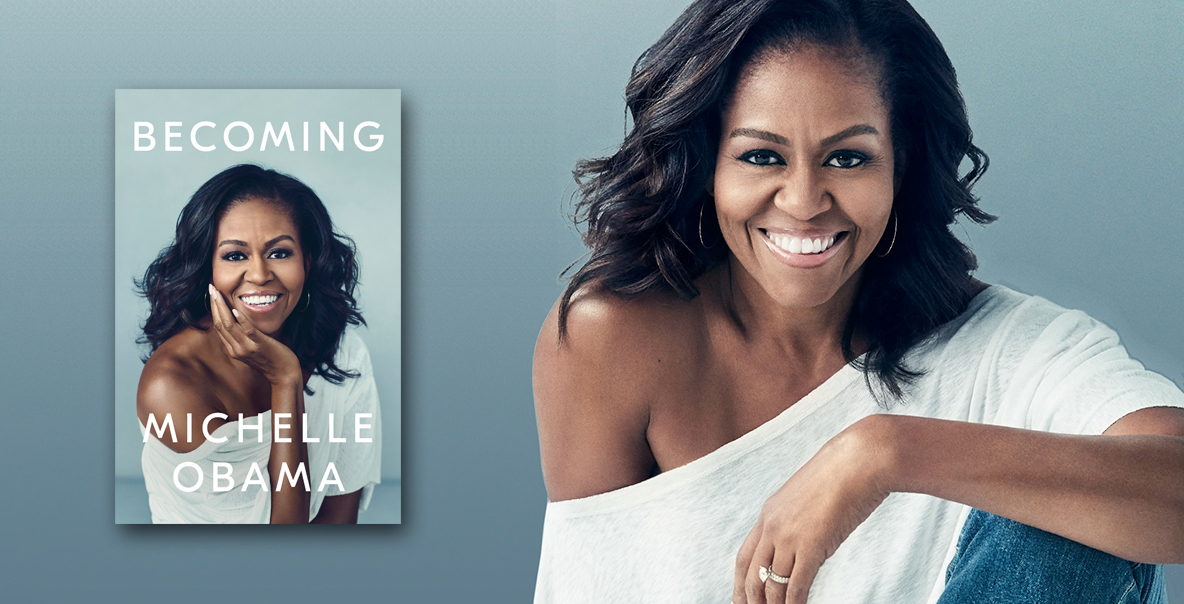
In her strikingly candid memoir, Becoming, Michelle Obama invites readers into her world, chronicling the experiences that have shaped her – from a childhood in the south side of Chicago to family life at The White House. 
Here are five facts the book has taught us about one of the most inspiring women of our time.
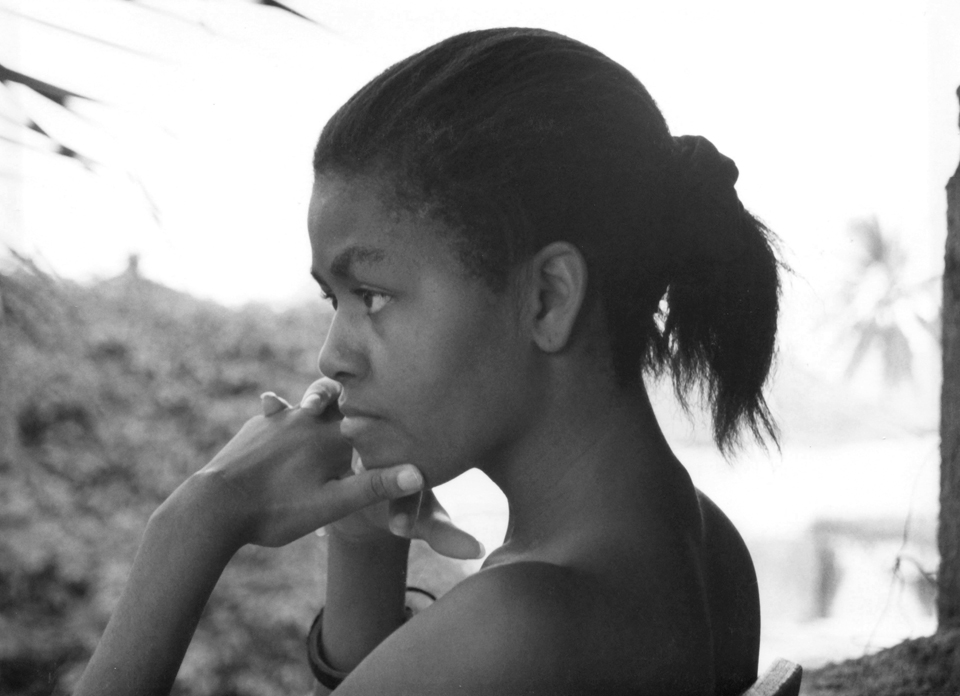
A young Michelle Obama. Photo courtesy of the Obama-Robinson Family Archives

1. She was determined at an early age

After a five-year-old Michelle Robinson got one answer wrong in a kindergarten colour quiz, she obsessed about it, unable to sleep while lying in bed surrounded by stuffed animals: ‘The embarrassment felt like a weight,’ she remembers, ‘like something I’d never shake off’. The next morning, she immediately asked her teacher for a do-over, and aced it in one go. ‘I like to imagine Mrs Burroughs was impressed with this little black girl who’d found the courage to advocate for herself,’ she says.
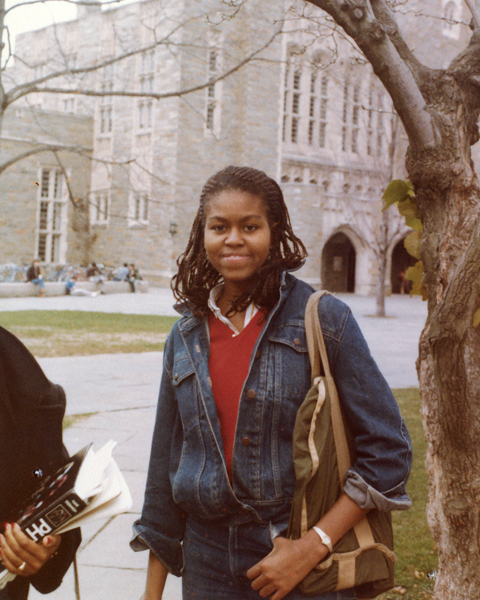
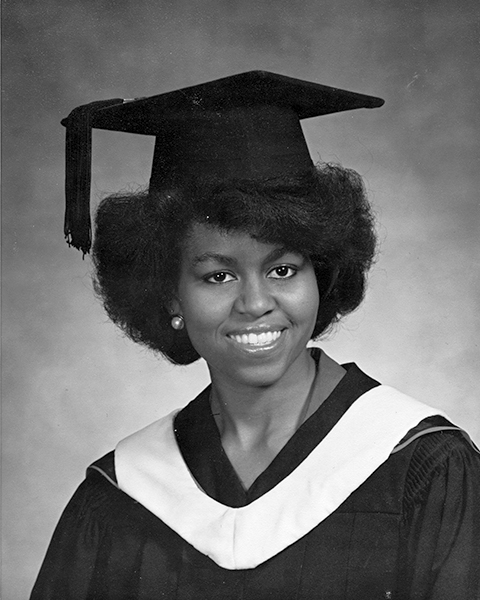
Photo courtesy of the Obama-Robinson Family Archives

2. She was told she wouldn’t get into Princeton

While preparing to graduate high school in the top 10% of her class, a young Michelle was told by her guidance counsellor that they weren’t sure she was ‘Princeton material’ (the prestigious school was her first choice for college). Most teenagers would have been crushed, but Michelle once again proved her determination, and instead sought a recommendation letter from her assistant principal. 
‘I wasn’t going to let one person’s opinion dislodge everything I knew about myself,’ she recalls. Instead, she wrote one killer admission essay, and was accepted. She never did tell the counsellor they’d got it wrong.
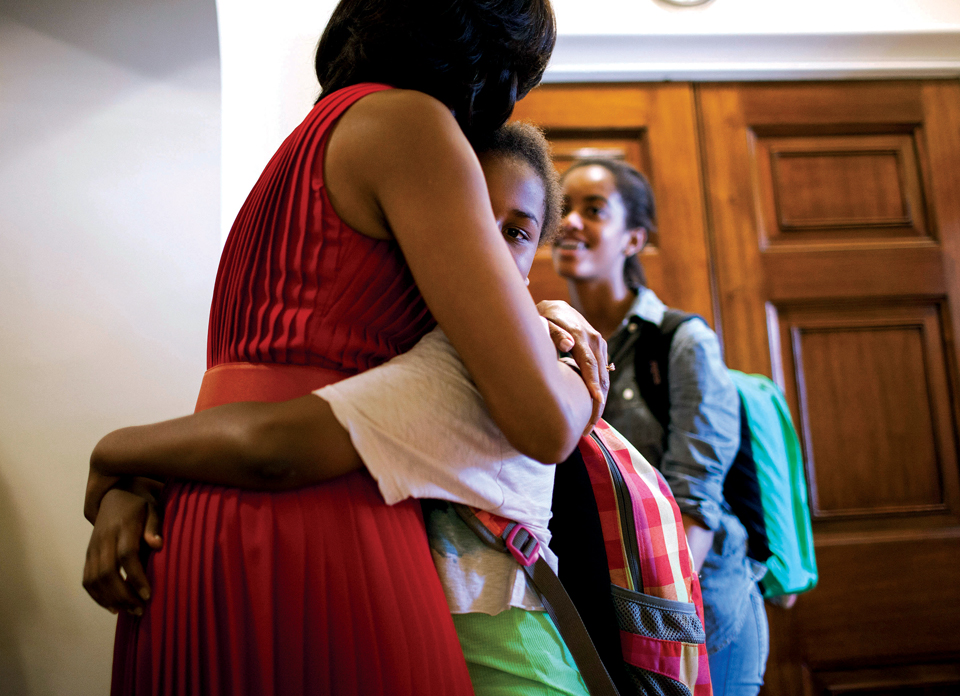
With daughters Malia and Sasha at the White House, May 16, 2012 (Official White House Photo by Pete Souza)

3. She once took her baby along to a job interview

After deciding to go back to work after the birth of her daughter Sasha, Michelle attended a job interview for an executive director role at a local hospital and, unable to find last-minute childcare, arrived with the three-month-old in tow. As she remembers, ‘She was a fact of my life. Here is me, I was saying, and here also is my baby.’ She would go on to get the job but to her, that wasn’t the point. As she recalls: ‘No matter how it panned out, I knew I’d at least done something good for myself in speaking up about my needs.’
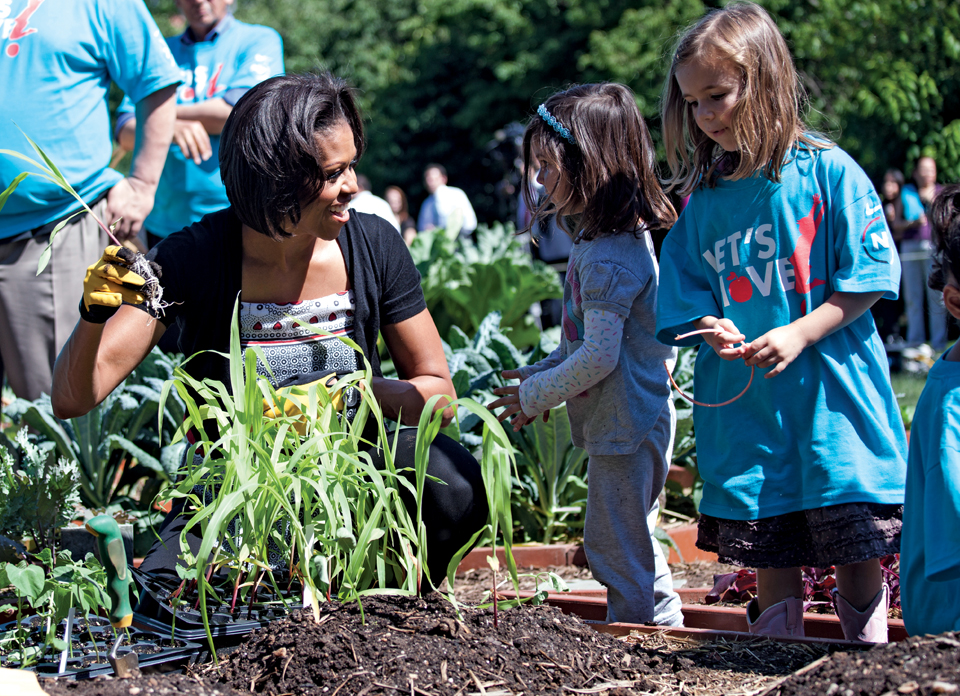
Michelle participates in a Garden Harvest Event with children on the South Lawn of the White House, June 3, 2011 (Official White House Photo by Samantha Appleton)

4. Her White House garden project was more than a campaign; it was a mission

After persuading the National Park Service, who was in charge of the gardens, Michelle tore up one of the most iconic lawns in the world and planted a vast selection of fruit and vegetables – a symbolic launchpad for her fight against childhood obesity, and advocacy for a healthier America. ‘Barack’s administration was focused on providing better healthcare, and for me the garden was a way to offer a parallel message about healthy living,’ she says. ‘The garden was simple, prosperous and healthy – a symbol of diligence and faith. It was beautiful while also being powerful.’
Michelle Obama jumps rope as part of the NICKELODEON PALA PSA TAPING on the South Grounds of the White House July 15, 2011 (Official White House Photo by Chuck Kennedy)

5. She’s a rule-breaker

On 26 June 2015, the Supreme Court in the US issued the decision that same-sex couples had the right to marry in all fifty states. Looking out of her window at the White House that evening, Michelle Obama noticed a big crowd had gathered outside to see the famous residence illuminated in the colours of the pride flag. ‘I found myself suddenly desperate to join the celebration,’ she remembers, and after grabbing her eldest daughter, Malia, she made a break for it, ignoring the protocol to check in with Secret Service agents and speedily running outside to the lawn. In their own private corner, mother and daughter gazed up at the world’s most famous address – and their home – lit up in pride colours, just as everyone else was seeing it.

Becoming by Michelle Obama (Penguin Random House) is now available to buy in hardcover at a RSP of R399.

Why Lockdown’s Lorcia Cooper doesn’t need Hollywood

An accomplished actress, dancer, choreographer, talent-show judge and national treasure in the arts, Lorcia Cooper chats to Linda Mzamane about her career, family and patriotism.

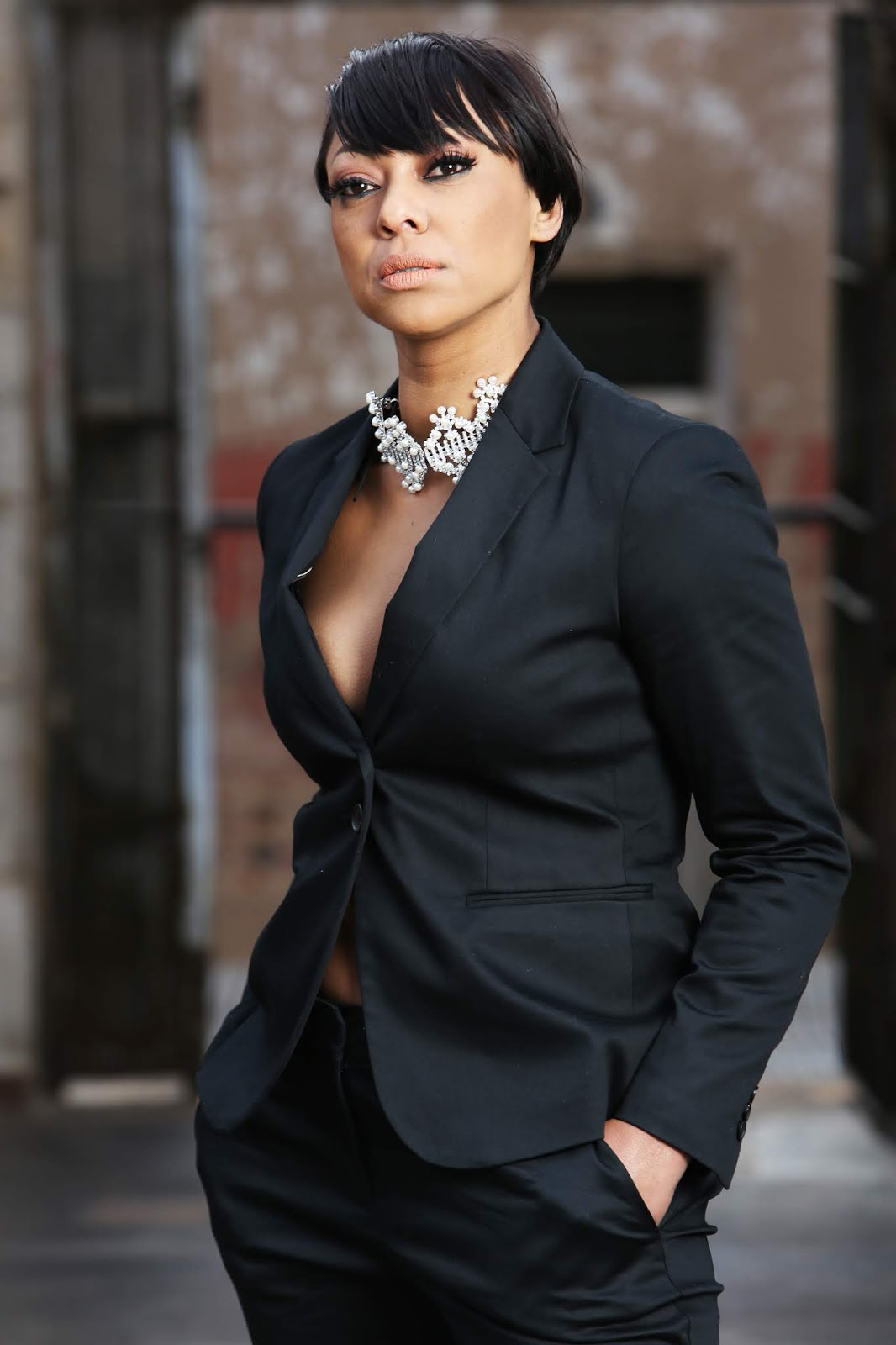
Lorcia Cooper for Mzansi Magic shoot

What sparked your love of dancing?

When I was about nine years old, my dance teacher Debbie Turner used to drive 35km to come and fetch me – just so I could attend dance lessons. It impacted me so greatly because it’s one thing to have talent but it’s another to have someone to support your talent; it made me see something in myself. If she didn’t drive that distance for me, I wouldn’t be where I am today. Debbie runs the Cape Academy of Performing Arts and is a judge on Strictly Come Dancing.

How does dancing make you feel?

Dance is a form of healing. When I struggle to articulate how I am feeling, dance helps me work through it – it’s an escape; some people meditate, but I dance. Dance was my way out and up. I developed a programme called Life Skills Through Dance, which teaches discipline, self-belief, punctuality and going beyond your limits. As a dance teacher, being able to add value to kids is also a form of healing, as it reminds me that I need to be those things myself. I want to give back what dance has given me. I’m not teaching kids so that they can win competitions; I want them to feel whole in every other area of their lives. Dance is a medium to shift thinking and habits.


What about South African dancers makes them most unique?

Africa as a whole is a big part of the history of dance. It forms part of many cultures. Every tribe has their dance tradition; there is an ownership of rhythm and expression. Dance is something that brings us together as a diverse people.

Lorcia Cooper for Mzansi Magic shoot

You’re also a highly accomplished actress. What is your ultimate acting dream?

The typical dream for most actors is to make it to Hollywood and perhaps win an Oscar. I don’t have that aspiration. I act because I love it; I love telling stories that aren’t mine, and honouring the people who the stories belong to. I’ve been typecast as the pretty coloured girl for a long time in the industry so I was very grateful when my role as Tyson on Lockdown came about because I finally got to play something ‘other’ than what I’m used to. I like losing myself in a character. I like going into a role and blowing myself away. I aspire to create my own content to assist in telling stories that represent my people. I am in the process of doing that already. Coloured people are more than just about guns, drugs and alcohol, as is often portrayed on screens.

In what ways do you identify with your character Tyson in the critically acclaimed show Lockdown?

In season one I learned that women do what they have to do to protect the people they love, as Tyson did for her brother. In that [prison] environment, you’re either the puppet or the puppet master. And that’s very much the case in real life too; I had to ask myself which one I am. Tyson acts really tough but is easily breakable. We tend to judge people who look tough, but in reality they are that way to survive. In the second season Tyson was raped, adding another aspect to the story altogether. This hit home to me in real life because this is the reality for so many women. My work is about making an impact and making a difference, and I’d like to believe I am doing that in the role I play in Lockdown.

Lorcia Cooper Lockdown Mzansi Magic
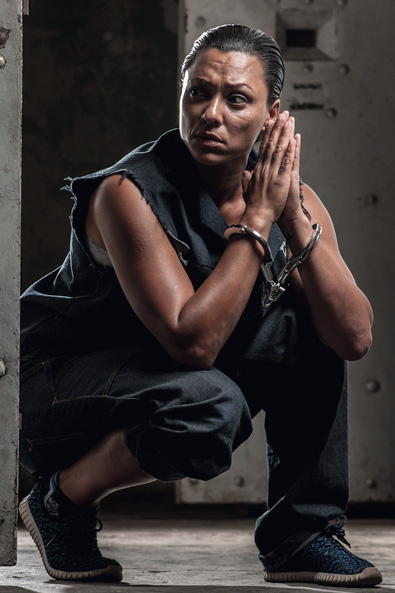
Lorcia Cooper as Tyson in Lockdown  

How do you juggle work and motherhood?

Being a mom is my biggest role. There is no greater part to play. If there were an award for being a mom, I would be gunning for it. That’s the Oscar I want! I have a 13 and an 11 year old. It’s important for me to be able to tune out of my roles at work in order to be a mom when I get home. But it’s got to be a conscious decision. The first thing I do when I get home is shower; it’s my way of physically changing roles.

What do you love the most about South Africa?

I’ve been travelling around SA looking for talent for Showville and what’s beautiful is the warmth of our people no matter where we go. Also, the fact that we can equally express ourselves is an amazing thing. There is openness for different sexualities; there is a celebration and an embrace of difference. South Africa is becoming a global brand; we are working and travelling abroad and making a mark globally. I also love our country’s natural beauty and abundance. If you want mountains, you go there; if you want the sea, you go there. We have everything. South Africa is moving confidently towards knowing that it has something to offer, and I love that.

Catch Lorcia as a judge on Showville weekly on SABC 2 and as Tyson on Lockdown on Mzansi Magic (DStv channel 161).